4 Ways to Make More Money From Your Race
Making money from your race is key to building your successful business or developing a successful fundraiser. Start by identifying key revenue drivers:
- Your race experience
- Athletes and participants
- Enhancements, donations, and swag
- Sponsors and vendors
To make more money from your race, you also need to understand your target audiences and the outcomes that each wants to achieve from your race. Consider what’s going to motivate someone to participate in your race, why people want to make a donation, and what sponsors and vendors look for in events.
Understanding the desires of your key audiences and what they are willing to pay, will make you a successful race director and capture a great deal more revenue for your profits. The two main sources for your revenue are participants and sponsors. Developing memorable experiences and sponsorship opportunities to attract these two groups is how to make more money from your race.
Use our comprehensive guide to build a profitable race with the 4 steps below:
- How to Create a Great Experience at Your Race
- How to Increase Race Participation in Your Race
- How to Increase Participant Revenues at Your Race
- How to Attract Sponsors & Vendors to Your Race
Make More Money.
1. How to Create a Great Experience at Your Race
You’re selling an experience. It’s an experience people dedicate time and sweat to prepare for. As a race director, focus on creating an excellent, enjoyable experience. Emphasize unique features and the ones that your audience is looking for. Below are four ways to deliver a great race experience that gets more people to your start line:
- Give athletes what they want.
- Offer more than one distance.
- Create a race map.
- Use a simple registration.
1. Give athletes what they want.
Participants, triathletes, and cyclists each have their own backgrounds and preferences. Some athletes want to run or participate in a race that is located in a beautiful setting. Others simply want a course that is easy to complete, so that they feel like they can finish. Participants even pick events based solely upon shirt design, medals, or even prize money. Other participants may be cost sensitive, so your registration fee can make a difference in their participation. Be sure to keep your rates competitive with nearby, similar races.
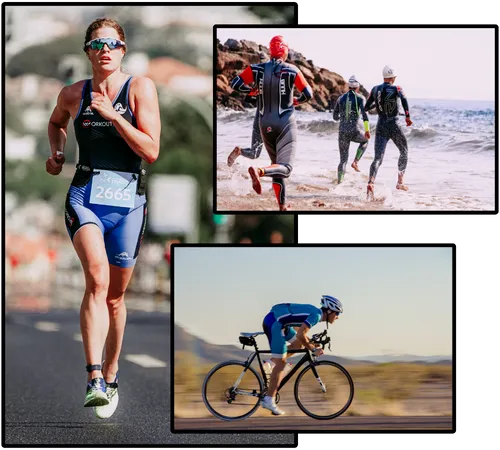
It can be overwhelming to please every type of athlete. You can’t be everything to everyone. And, if you try to attract everyone to your race, suddenly you’re not connecting with anyone.
It’s a tricky balance when you’re trying to attract a lot of participants to your race. As you're creating your marketing strategies, develop a persona of your primary target audience:
- How old are they?
- What’s their experience with athletics?
- What styles do they like?
- What’s their income level?
- What’s their gender?
The more detailed your marketing persona, the better. Be sure to personalize your runner persona with a name and photo, too. That’ll make it easier for you to connect with your target audience.
After your first year, consider emailing out a survey after each race to get feedback. Ask specific questions about the different aspects of your event, and how important they are to your participants.
When you understand what the majority of your customers want, you can focus on pleasing the masses. When you execute masterfully at the most important things participants are looking for in your event, you will dramatically increase your participation.
Remember that your participants chose your race for a reason, and if you understand why that is, you can focus your efforts on being the best in those things.
2. Offer more than one distance.
Not everyone is an ultra-marathoner. If you have a marathon, you could also add a half marathon and a 5k. If you have a 5k event, you could add a 10k or a half marathon. More distance options broadens your appeal so you can attract more people to your race.
And, if all of the distances are on the same course, you’re not creating much more work for yourself.
3. Create a race map.
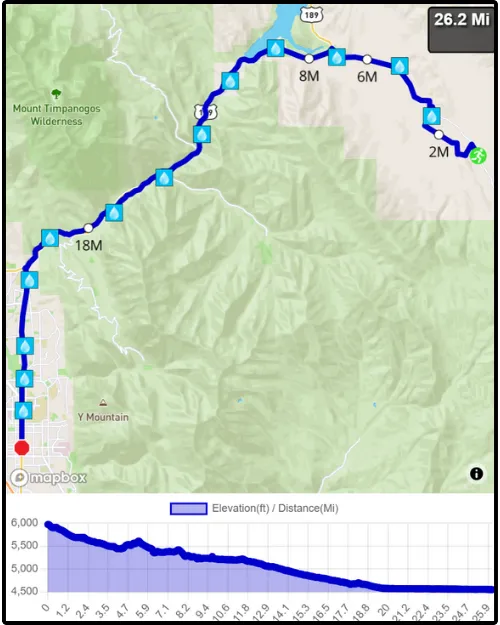
The main part of your event is the course itself, so make sure that you have a nice looking race map that helps to entice participants to choose your event.
Race Entry offers free race map software so you can create an interactive map that shows aid stations, potty locations, and more. It even shows the elevation. A detailed map of a good course can help draw more people to your race.
4. Use a simple registration form.
While it may seem silly, your race experience starts with your registration form. Keep your form as simple as possible. Choose a software provider that doesn’t make your participants create yet another account that they’ll rarely use and forget the password.
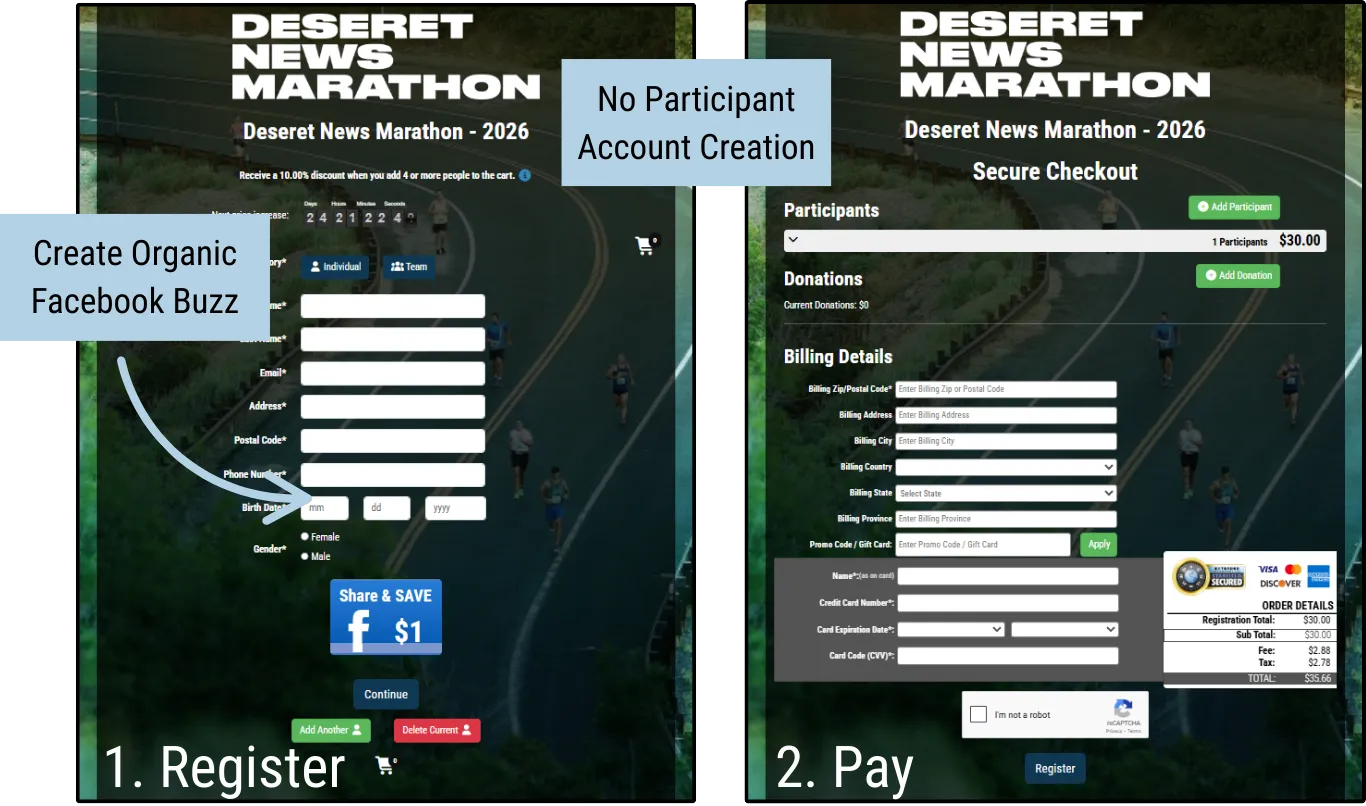
Account creation and a long, complex registration form can make participants decide not to sign up after all. You could be losing sales right on your form. What makes these lost sales worse is that they are people who were already making plans to run your race.
Race Entry does not require account creation and offers quick two-page registration forms. It’s even easy to complete multiple registrations in one order.
Participants are also cost sensitive, so you’ll also want to consider the service fees charged by your race registration software. Compare top race registration provider rates and benefits.
Get Started Today.
2. How to Increase Race Participation in Your Race
Focus on increasing race participation first—everything else for your race hinges on participation levels. You can’t sell merchandise or swag without an engaged audience. It's harder to close a big sponsorship deal without a large number of participants. You can’t increase prices or waitlists unless you’re selling out all of the spots in your race.
So, start by building smart marketing strategies and campaigns to get people signing up. We cover 10 ways to build a marketing plan that delivers sales:
- Find people to be on your marketing committee.
- Send an email when you open registration.
- Partner with sponsors, vendors, & employers.
- Time price increases strategically.
- Incentivize referrals.
- Partner with other racing events.
- Get a booth at other race expos.
- Open registration for next year right after this year’s event.
- Create a loyalty program.
- Try the best advertising methods for races.
1. Find people to be on your marketing committee.
Properly marketing and advertising your event takes effort and creativity. Find or create a volunteer committee to help you with various responsibilities to help ensure word about your race gets around. You can offer them a discounted registration in exchange for their marketing efforts.
Working with a committee can help you identify new opportunities, outreach strategies, and even help you with artwork and design. If you are really lucky, you may find a web developer amongst your committee members to help improve your race website pro bono.

2. Send an email when you open registration.
As soon as you are planning your race, you should have an online registration form. It’s okay if you’re not ready to open for sales or are still figuring out pricing. Be sure that people can sign up for an email notification when registration opens.
And, as you work on your race year after year, email your past participants to announce that registration is open with early bird pricing.
All of your emails should include links to your social media pages, website, and race registration page. Use a nice, easy-to-read, and mobile-friendly design. Include your logo, photos from your race, and an eye-catching button to draw attention to your registration link.
3. Partner with sponsors, vendors, & employers.
Work with sponsors and vendors to promote your event—they want people to come as much as you do. For example, a grocery store chain may be willing to put up a banner for your event at each of their locations. Or, a bank may be willing to email all their customers about your event and with a promotional discount that helps their customers feel like they’re getting a good deal because of their connection to the bank.
Employers love offering perks to their employees, especially to promote health. Reach out to local employers to offer their employees a special discount to participate in your race. It’s a great way to connect with local businesses and large employers even as a starting point before you propose a sponsorship deal.

4. Time price increases strategically.
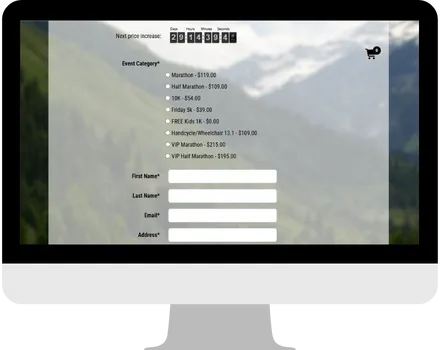
Everyone procrastinates and delays. To get revenue flowing sooner and make better plans for your race, create price increases at regular intervals. Avoid weekends for price increases. Note which day of the week you tend to see the most registrations. Schedule price increases around that day.
Or, time your price increases with payday, so people have money fresh in their pockets and can take advantage of the low price before it increases later.
Email and post on social media before each price increase to drive up registrations. People enjoy taking advantage of last second savings.
The more people who register early, the more built-in marketers you have for your race. Everyone loves running with friends and family, so they’ll have more time to recruit participants for you.
5. Incentivize referrals.
Speaking of built-in marketers, you can encourage your participants to get their friends and family members signed up with incentives. You can offer rebates or even a small discount.
With Race Entry’s software, you can set up an automated referral system. Just set your per registration rebate rate, and the system takes care of everything else. You can even see stats on how successful your referral program is.
You can also offer a small discount when participants share your marketing page with their Facebook friends. It’s a great way to get your race in front of people and create organic social media buzz.

6. Partner with other racing events.
Connect with other race directors in your county, state, and region. Negotiate trading email advertising, expo booths, or even create a running series with all of your races. Be strategic with how you work with other race directors—work with races at different times of the year from yours.
7. Get a booth at other race expos.
Running, cycling, and triathlon events share some of the same pool of participants. These races have your target audience, and there is no better place to promote your race. Even if you haven’t been able to negotiate a trade, it’s worth buying a booth at another race to get valuable exposure to your key audience.
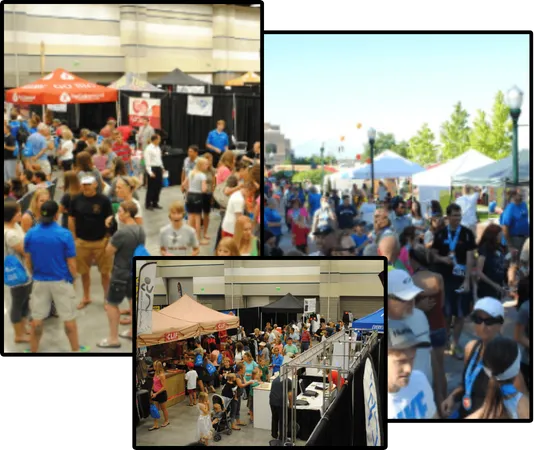
8. Open registration for next year right after this year's event.
People are most excited about your event right after they have just run and had an exciting experience at your race. Take advantage of this enthusiasm by allowing them to register for next year right after this year is over. You may be surprised at how many people will sign up a year early. Be sure to offer early bird pricing to these enthusiasts.
Opening registration early also helps ensure you have revenue flowing to manage your monthly expenses as you prepare for next year's race.
9. Create a loyalty program.
Reward participants when they participate for a certain number of years, to give them a reason to keep coming back. Aside from a discount or swag that you may offer as part of your loyalty rewards program, it gives participants who participate in your race year after year bragging rights. In turn, that gets people talking about your event more frequently, and brings even more participants.
Ready to Grow?
10. Try the best advertising methods for races.
There are a myriad of ways to advertise your race. As you develop and test advertising avenues and campaigns, track results to understand which ones work the best in terms of return on investment (e.g. profit) and new participants. You can measure results three ways:
- Ask how people heard about your race when they’re registering.
- Create unique promo codes for each campaign and compare usage.
- Use online advertising tools like Google AdWords, Facebook ads, etc. and look at their tracking tools.
Begin every year with a marketing plan with clear goals. Set top level goals for the event as a whole, but also consider creating goals for each type of advertising.
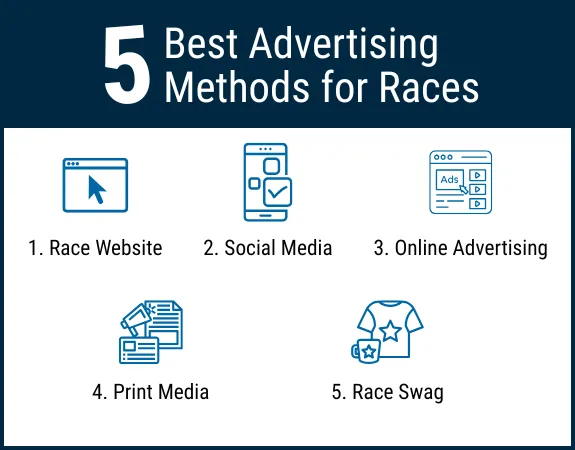
Below are five types of marketing that will grow your race participation:
- Create a Race Website
- Leverage Social Media Platforms
- Advertise Online
- Publish Print Media
- Design Race Swag
1. Create a Race Website
Most participants will find and register for your event online. Google, Yahoo, and Bing ranks a race website higher than a Facebook group or fan page. You can create a free website on website builders like weebly.com or on Race Entry.
You should include photos of your race course, race, your logo, an about page, FAQs, and links to registration, vendor booths, and sponsor sales.
Be sure to include a page for a training program. Many prospective participants won’t realize how to get ready for your race. It may be their first time attempting a race like yours, and having a training program, or even some training tips, can help reduce the stress associated with a first-time race. This will help more people feel like they can actually accomplish your race, and you will obtain more participants.
To further build your Search Engine Optimization (SEO), create a blog and post helpful content regularly. Focus on running strategies, gear, trails, race recovery, etc.
Every article you write is more content for Google to rank you for, and more traffic can lead to more runners. In each of your articles make sure that you have a link to your home page that encourages people to participate in your event. It is not good enough to get traffic, you must also try to convert that traffic into participants.
2. Leverage Social Media Platforms
Social media changed how people interact. And, it’s a great way to get more people to learn about your race. The trick is understanding which social media platforms your audience uses and figuring out how to stand out from all of the other messages, photos, and videos on social media platforms.
Facebook is primarily used by millennials and older generations. Instagram is much more commonly used by millennials. And, Gen Z tends to use TikTok.
Whatever platform you’re using, adding hash tags helps get your posts in front of people. Good hashtags to use for races are #5krun, #5kwalk, #marathon, #10krun, etc. Use social media tools to identify trending and commonly used hashtags.
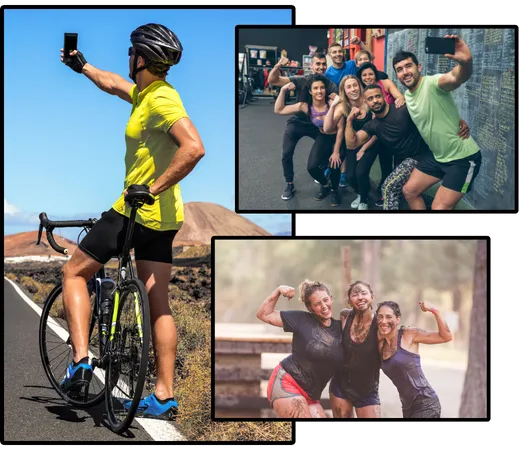
Create an official hashtag so that participants, vendors, and sponsors can use. The more your hashtag is used, the more people can see all of the posts about your race on the platform. It helps create some buzz around your brand and the event experience. When everyone knows what the official hashtag is, they can all post photos of their experiences with your event, and see others who have had similar rewarding experiences photos as well.
Another way to create buzz and get in front of more people is to work with influencers. Start local. See if there’s a local fitness influencer that has a large following, consider giving them a free entry to participate in your race in exchange for talking about your race with their audience. You could even pay them a set rate for each participant they get to register.
3. Advertise Online
Online advertising helps you maximize your reach beyond your local area. Start with calendar listings on the biggest race calendars. Calendar listings are often free, though you can pay for various upgrades. You can also look into guest posting or paying for a sponsored blog post to spread your influence and expose more potential participants to your race.
For paid advertising, consider Google AdWords, running website ad placement, and social media ads. Depending on the ad location, you can implement retargeting, which keeps showing ads for your race to people who’ve engaged with it before. Retargeting keeps you top of mind with participants who have already visited your website.
4. Publish Print Media
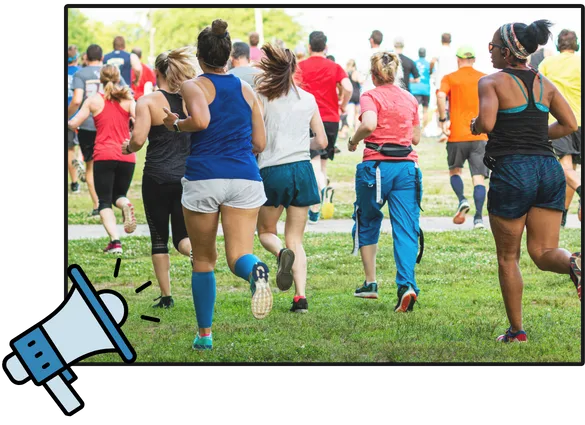
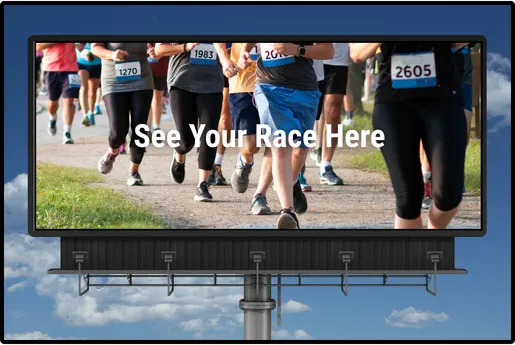
Put banners up all over town at busy intersections. Try printing fliers and distributing them at other running events or running stores. Print posters to be hung at businesses. Other print media you may try includes newspaper advertising, billboards, and magazine ads.
You can also issue press releases to highlight important developments for your race. For example, issue a press release when you open registration, add a big sponsor, or sell out. You can publish these on your website. And, you should also send them to local news agencies and papers. Other organizations may be willing to publish your press release. Be sure that each press release includes a link to your website and details on how to register.
5. Design Race Swag
Invest time to create eye-catching designs and money into providing quality shirts for your race. The better your swag, the more likely your participants are to wear it when they’re out and about in their communities. This advertising is powerful because your participants become walking billboards for you.
3. How to Increase Participant Revenues at Your Race
Business 101 says that it’s easier to keep existing clients than find new ones. While you should always be expanding your audience and participants, offer more to your existing participants to earn more dollars from them. Check out our top 5 strategies for increasing participant revenues:
- Sell swag & merchandise.
- Increase prices.
- Create a VIP experience.
- Fundraise.
- Consider opening your race in other cities.
1. Sell swag & merchandise.
Selling products is a great stream of revenue because in addition to bringing in more money, it gets your logo into all of the places your participants go. Include product sales in your registration process. And, have a merchandise tent at your race expo, packet pick-up, and finish line expo.
Keep in mind that producing merchandise will be an additional cost to you, so pay attention to your profit margin on each item you choose.
2. Increase prices.
As discussed earlier, price increases get people to sign up faster. Price increases also means that later registrations cost more. Some would rather pay you more money with the option to sign up later in case they get injured or have a schedule conflict. Let them pay you more money.
3. Create a VIP experience.
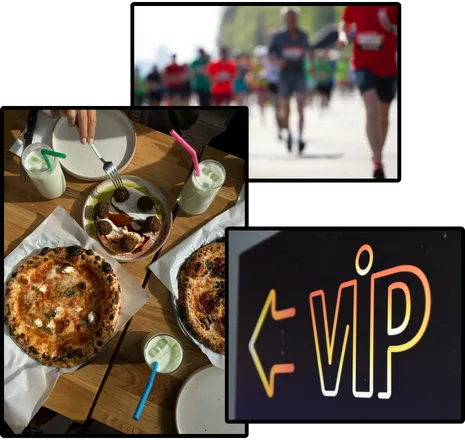
Another way to get more money from existing participants is by creating a VIP experience. Offer a dinner the night before, extra swag, and other perks to enhance your VIP’s experiences at your race. You can charge more for these perks since participants are getting an elevated experience.
4. Consider opening your race in multiple cities.
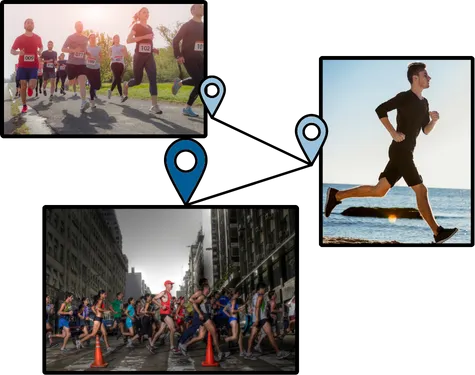
Some of the most successful race companies have enhanced their success by putting on their event in multiple cities. When you have a successful race in one city, it will likely be popular in other areas. The other locations may not be as close, but it is easier to duplicate your event than it is to create a new one. You already have an email list, a brand, race equipment, etc.
If you don’t want to organize your race in other areas yourself, consider franchising your race. Other race directors can pay to use your brand and marketing strategy while they grow your race in other areas.
5. Fundraise.
If you’re organizing your race as a fundraiser for a local food bank or other charity, gathering donations is key to your race’s success. You especially don’t want your race to be a fund-loser.
You can include donation requests during the registration process or even as part of the volunteer sign-up process. You can even have QR codes posted around your race that people can scan to make donations on race day.
Get your participants even more engaged with specific fundraising goals for your event. Let participants create their own goals and even teams to fundraise even more. This approach even helps you get dollars from people who are not participating in your race—they just want to support a friend who’s participating.

Start Fundraising.
4. How to Attract Sponsors & Vendors to Your Race
Another great way to boost your race revenue is to offer local businesses and large brands marketing and sales opportunities. You’re gathering a large local audience and an audience interested in health and fitness—you’ll find local businesses, local organizations, and fitness brands who want access to your audience.
Use the five ideas below to attract sponsors and vendors to your race:
- Pre-event Exposure
- Race Bag Inserts
- Mile Markers & Finish Line Signs
- Packet Pickup Expo
- Finish Line Festivities
1. Pre-event Exposure
Offer a variety of marketing opportunities leading up to your event:
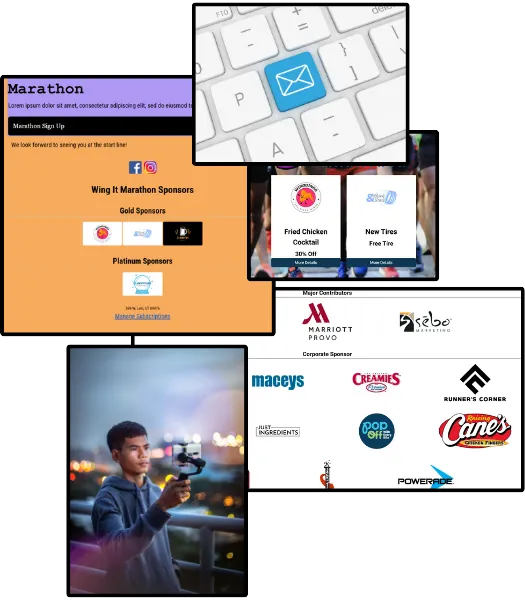
- Social Media Posts & Partnership Announcements – Leverage your social media following to get your sponsors and vendors marketing exposure. You can announce partnerships and even offer additional posts to highlight your sponsor’s new product or a special offer.
- Email Blurbs – Offer to include a blub in your email to highlight a particular vendor or sponsor. Alternatively, you can offer to send an email dedicated to a specific vendor or sponsor. Be careful with how much advertising you do in email because you don’t want your other emails to get sorted into Spam or Promotions from the main inbox.
- Logo Placement – Include logos on your website, email footer, and even on billboards and other race marketing materials. Logo placement is an easy thing to offer and helps your sponsors and vendors build their brand recognition.
- Special Deals – Some of your sponsors and vendors will want to offer your participants a discount or special deal to drive sales. Make it easy to list these deals online and highlight these offers to your participants.
2. Race Bag Inserts
Everyone loves a goody bag, and your participants are no different. Offer local businesses and sponsors the opportunity to add items to your race bags. They may want to include product samples, fliers with a special deal, or other items to get their brand and products in front of your participants.
Many businesses will be willing to pay for this opportunity, and it’s a great value-add for your sponsors.
3. Aid Stations, Mile Markers & Finish Line Signs
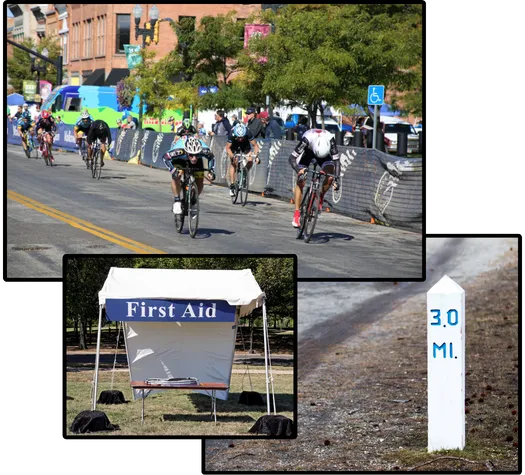
Along your race course, you have lots of opportunities to highlight sponsors:
- Aid Stations – Grocery stores, fitness drink brands, and snack companies can be willing to supply your aid station in exchange for a sponsorship. You can even offer sponsors and partner charities branded aid stations to further highlight their brand. All of these opportunities help you get volunteers and supplies at your aid stations while building your sponsor and fundraiser brands.
- Mile Markers – Place sponsor logos on mile markers to help your sponsors build brand recognition and awareness.
- Finish Line Signs – Another great way to offer sponsor branding and recognition is with finish line signs. All of your runners will see these signs as they pass by and so will the people gathered to cheer them on.
4. Packet Pickup Expo
Expos are great opportunities for vendors and sponsors to connect directly with people. They can do product demonstrations, offer samples and talk up the benefits, and more. Expo booths are your biggest value offer to your vendors and sponsors.
Include expo booths in some of your sponsorship levels and make it easy to buy a booth separately. When you price booths, charge more for better locations (e.g. corners and high traffic spots). If your vendor booths sell out, either find a new location or charge more next year.
5. Finish Line Festivities
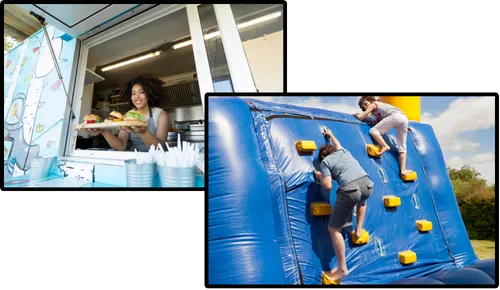
Finish line festivities contribute to your race experience—think food, drinks, and other activities to make your race a fun, memorable experience for your participants, their friends, and their family.
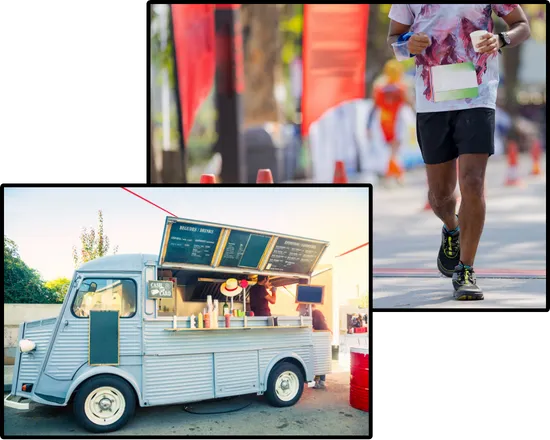
Because you’re drawing a crowd, food trucks and other businesses will want to be there because it’s a good sales opportunity. Think of your finish line festivities as a second expo. Offer vendor space around your finish line to help your sponsors and vendors make more connections and sales.
How to Grow Your Race with Powerful Tools
Whether you have a large race series or a charity 5k, Race Entry has the tools you need to dramatically increase your race participation. Our easy-to-use online race registration system will help you save time and make more money.