How to Organize a 5k
Organizing your 5k event from vision to reality is rewarding. It’s also a lot of hard work. Use our race director guide below to learn how to start a 5k race. You’ll learn everything you need to know to plan, promote, and execute your vision for a successful 5k race. You’ll find this guide useful if you’re planning any road race distance: marathon, half marathon, 10k, fun run, bike race or even a bike ride, too.
Create a Race TodayPlanning a 5k
When doing 5k planning, consider location, course characteristics, theme, and partnerships with local charities or nonprofits. You’ll also want to create your 5k race registration form soon, so you start revenue flowing to pay for permits, shirts, and other race expenses. We’ll cover how to plan a 5k running event in four steps:
- How to Create an Online Race Registration Form
- How to Plan a Running Location
- How to Create a Race Course
- How to Organize a Fun Run or Charity Race
How to Create an Online Race Registration Form
Your registration page is an extension of your site, so choosing the best registration experience will help to maximize your brand. Find a free race registration platform that offers
- a simple, fast registration process for participants,
- 5k sign ups without requiring account creation with username and password,
- customizable forms,
- integrated, customizable growth tools.

A simple registration process encourages people to sign-up, which helps increase registration conversion rates and grows your revenue. Keep in mind that some registration services require participants to create accounts and include advertisements to other races in the registration pathway. You want a simple 5k registration. Organizers across the United States choose Race Entry for their registration platform.
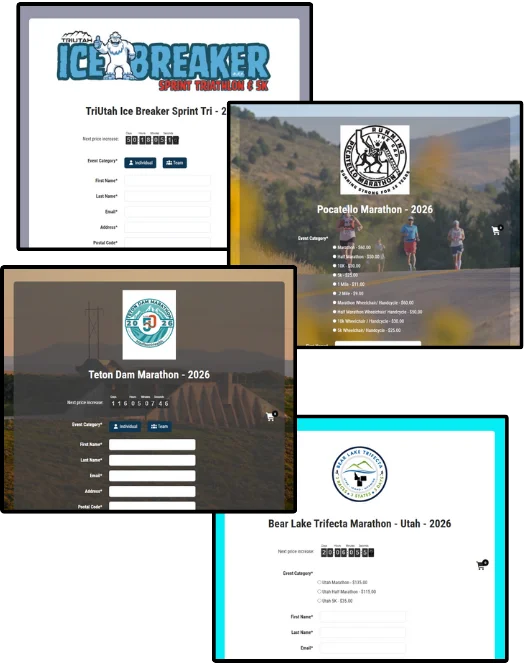
Race Entry is the leader in simplified race registration. Race Entry offers a simple two-page form that doesn’t include third-party offers. It also doesn’t require participants to create an account. You can also add marketing features and incentives to your registration process. Offer a few dollars off to participants who share your registration page with their friends on Facebook. Or, offer rebates for referrals when participants get their friends to sign up for your race.
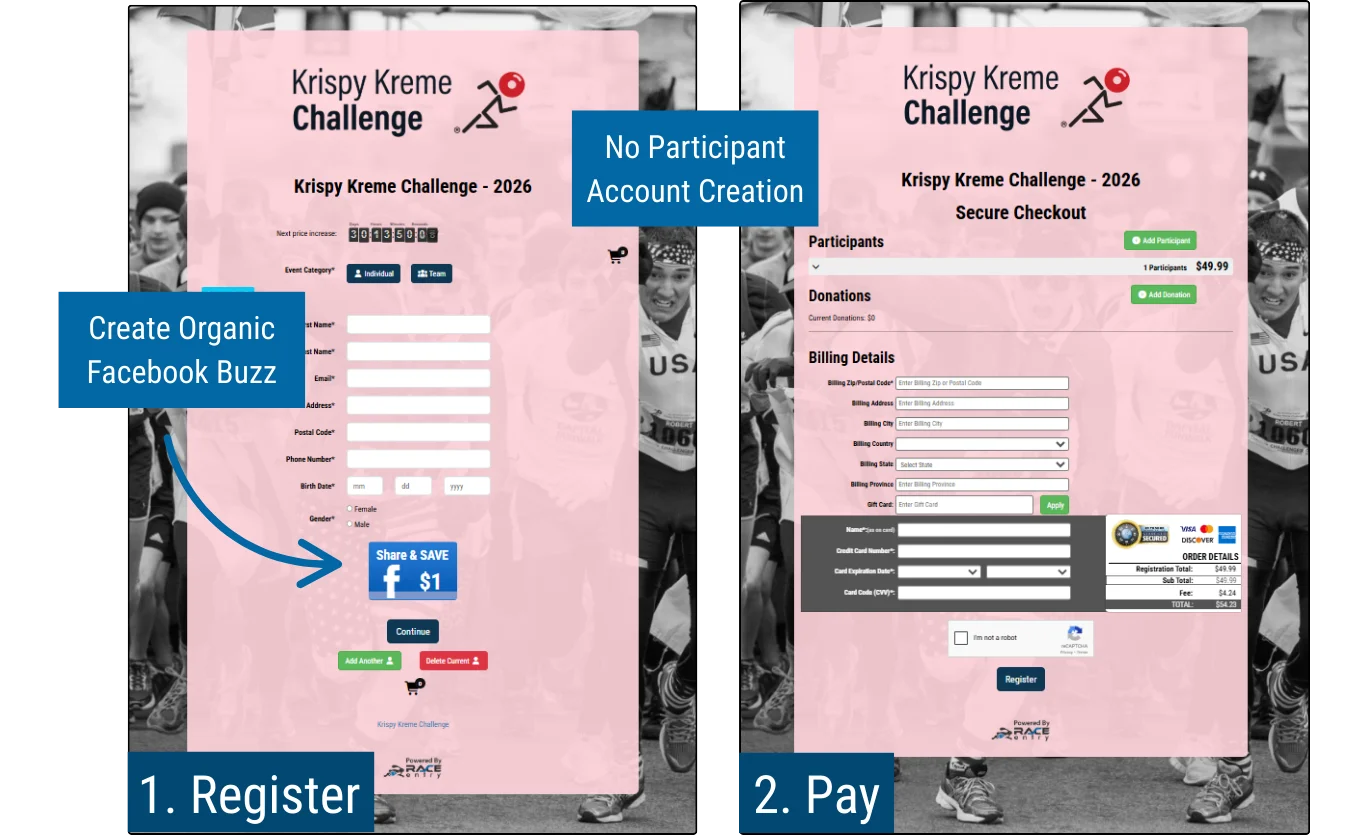
You’ll also want to compare registration fees. Most registration platforms offer their services to you for free and collect a service fee from participants when they register. Often, the credit card and merchant fees are separate from the registration platform’s service fees. Race Entry also pays your credit card processing and merchant fees so you keep your entire entry fee. The fee passed to your participants is 4.97% + $1.25 per registration. Our software is entirely free to you.
Build your 5k registration form.
Set Up 5k Registration FormHow to Plan a Running Location
When planning a place to host a 5k, you’ll need to think through several factors when you’re selecting your location:
- Proximity to target market
- Scenic attractions (iconic buildings or natural landmarks)
- Safety (Will you need busy roads closed?)
- Difficulty (Is it uphill?)
- Anticipated number of participants
- Budget (Will permits, barricades, etc. fit into your overall 5k race budget?)
Consider your target market when you choose a location for your race. Choose a location that is close to where most live or close to hotels if you anticipate participants traveling for your race.
Choose a scenic route to help make your race enjoyable and special. A course with great scenery and natural wonders will help draw participants to your race. Or, a city run by iconic buildings on iconic streets can be equally scenic and attractive to runners.
Ensure that your location can accommodate your anticipated number of participants. Think about the course itself, parking, and where supporters will stand to cheer runners on.

How to Create a Race Course
Your race course needs to stand out or differentiate somehow from other race courses. Here are key ways to create a race course that stands out:
- Location and scenery
- Elevation (flat, gentle downhill, or uphill)
- Shape (point-to-point, circle, or out-and-back)
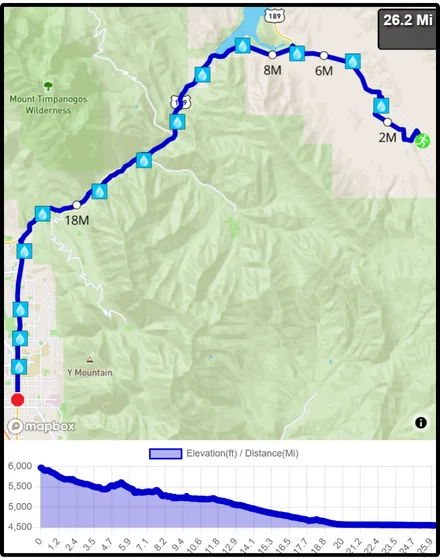
You can also differentiate your race course with elevation – a gentle downhill, an uphill, or a totally flat course. Your course depends on your location. Keep in mind that most runners prefer a gentle downhill or flat courses.
You’ll also want to look at the shape of your route. It’s cheaper to do an out-and-back or a loop rather than a straight line because you won’t have to transport runners to the start. It could also be fun for participants to run to create a specific shape since people use watches to track their runs on a map.
You can use our free race map maker to figure out different course options and to look at the elevation chart change as you alter the route. Once you've settled on your route, you'll want to add your course map to your website.
Need a free course map?
Create a Free Race MapHow to Organize a Fun Run or a Charity Race
Creating fun runs and charity races helps you attract participants who don’t consider themselves runners. Becoming a 5k run/walk organizer can also help you connect with your community and have a positive impact on local charities.
How to Plan a 5k Fun Run
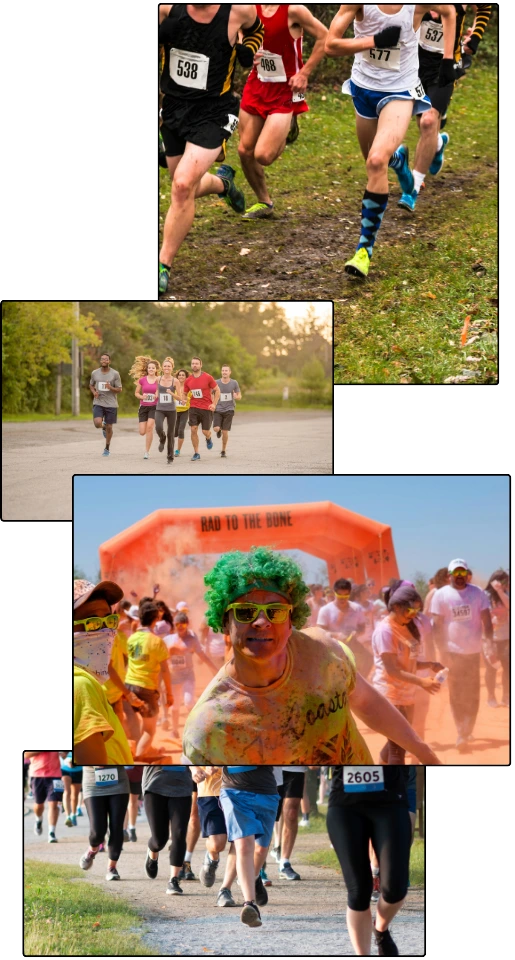
Fun runs range from costume races to extreme survival races and have become increasingly popular. People come to these races for the unique experience offered, not necessarily the running itself.
For your 5k fun run, consider the theme in your planning. Go all in on your 5k race theme:
- What decorations do you need?
- Can the food offered at your race tie into the theme?
- Any other thematic details you can add to your race?
For example, if you’re doing a Pi Day race, you may want to start the race at 3:14 and serve pie at the finish line.

How to Plan a Charity 5k Fundraiser
A charity run helps raise funds for local charities and nonprofits in your community. You can opt to focus on a single charity with your race or get multiple charities involved. Benefits of organizing a charity 5k fundraiser include
- community impact,
- volunteer support, and
- expanded 5k marketing reach.
Working with local charities can help you find volunteers for your race and even promote it, so you get more participants.
Race Entry’s free software makes it easy to create a fundraising page for each charity you work with. Each charity can set fundraising goals and display progress towards those goals on these pages. Race participants can create fundraising teams to support the charity or nonprofit. Learn more about creating a charity race fundraiser.
Promoting Your 5k Race
Once your 5k planning is finished, it’s promotion time. Promoting your 5k, half marathon, or marathon starts with a good name and a strategic advertising plan. Promotion helps you get more participants, which is key to a successful race. We’ll cover the four steps below:
- How to Pick a Race Name
- How to Advertise a Race
- How to Create a Race Website
- How to Plan When to Open Registration

How to Pick A Race Name
Your race name creates a feeling and implies an experience. For example, “The Toughie”, “Rainbow Rush”, and “Clear Creek 5k” all make different images and expectations in your mind:
- “The Toughie” sounds like a hard race, which would be a turn off for casual runners and bikers.
- “Rainbow Rush” sounds like a fast, fun run.
- And, “Clear Creek 5k” sounds like a standard 5k.
Be thoughtful about the kind of experience you want to create, the kind of brand you want to build, and what your course is like. A serious, competitive race will need a name that reflects its nature. A fun run should have a name that reflects the lightheartedness of the race.
Once you have your shortlist of name ideas, check to make sure that no other races in your community or nationally have that name. You want your race to stand out, after all.
How to Advertise a Race
Keep your 5k, half marathon, or marathon target audience central to your race advertising strategy. Start by developing your message. It should be compelling and concise. Then, follow the steps below:
- Add your 5k to online race calendars.
- Put up posters and fliers around town.
- Trade marketing opportunities with other local races.
- Attend race expos and race bag items.
- Partner with local businesses and charities.
Get your race listed on every online race calendar you can find. Popular online race calendars include Running in the USA, Find a Race, and RunGuides. Race Entry also offers free listings on its race calendar to make it easy for runners to find your race. Our calendar is even integrated with other race calendars, so all you have to do is add your race to Race Entry’s calendar to be listed broadly.
Consider putting posters or fliers up at running stores. Figure out how far runners would be willing to travel to run your race, then contact all of the running stores in that radius.
To reach your non-runner audience, consider posting signs at busy intersections. You’ll need to work with local property owners to get permission to post signs on their property. You can also issue a press release to announce your race to a broader audience.
Another inexpensive way to promote your race is to do an email trade with another race. They’ll email their runners about your race. In return, you’ll do the same for them with your email list. This kind of trade can be trickier to negotiate when you’re just starting. Alternatively, you could offer another free marketing opportunity in exchange for the email trade.
You can also attend expos or pay for marketing at other races. Some races host expos where you can meet and talk to runners face-to-face. Or, you can pay to put fliers into their race bags.
Find creative ways to partner with local businesses or charities to promote your race and grow participation. Always consider who your main audience is and the best ways to get their attention.
Incorporate more ideas for marketing your race from our comprehensive race promotion guide.

Start advertising your race?
Add My Race to Calendar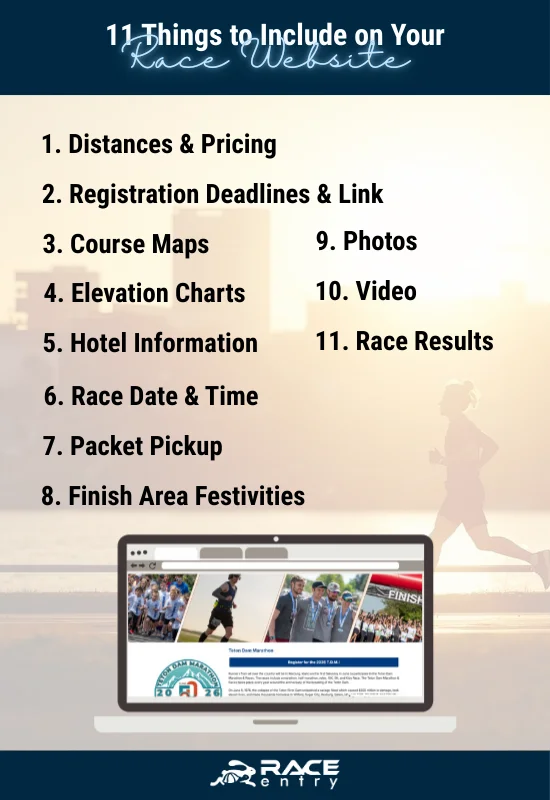
How to Create a Race Website
There are many strategies for creating a race website for a 5k, half marathon, or marathon. Some race directors have friends or relatives that know web design. Some races contact website companies to see if they will trade web development for sponsorship. Some races use a free website blog service to host the information about the race.
Race Entry offers free, custom websites to race directors using our registration services for paid registration.
Make sure that your race website has all the information your participants need. Include the following details:
- pricing
- registration deadlines
- course maps
- elevation charts
- hotel information
- race date and start time
- packet pick-up
- finish area festivities
- photos
- video
- race results
Race Entry’s software makes it easy to post race results paired with photos and finish line videos online for free.
How to Plan When to Open Race Registration
The ideal time for race directors to open registrations for next year’s race is immediately after this year’s race finishes, usually one year before. This ensures that your participants will be able to sign up as soon as they are ready.
Below are the benefits of opening registration early as early as possible – even if it is just a countdown page:
- Build a larger email list.
- More participant referrals.
- Improved sponsorship value.
Races that open registration early usually have greater participation. Runners that visit your race website throughout the year may not think to come back in six months to register.
Also, it is important to remember that your greatest source of race growth is friend and family referrals from your participants that have already signed up. The earlier you can have people signed up for your race, the more time they have to talk about your event and get their friends and family to sign up, too.
Ready to Start?
How to Direct Your 5k Race
Managing a race brings all the details together from your 5k planning stages, and makes them actually happen. Below are 12 things to do when creating your race:
- Consider USATF Race Certification
- Create a 5k Race Budget
- Develop a 5k Race Sponsorship Program
- Start 5k Race Permits Early
- Prepare a Safety Plan
- Recruit a Timer or Time Your 5k Yourself
- Design Race Shirts, Bibs, and Race Bags
- Make Awards and Buy Medals
- Set Up Port-a-potties, Barricades, and Start/Finish Line Decorations
- Prepare Aid Stations, Hydration, and Food
- Recruit & Train Volunteers for Your 5k Race
- Complete Course Clean Up and Post-Race Review
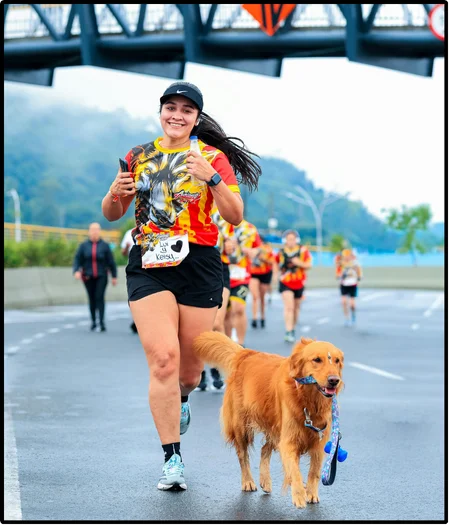
Consider USATF Certification
USATF ensures the accuracy of your distance for a marathon, half marathon, or 5k. This certification also allows marathon runners to qualify for the Boston Marathon on your full marathon route. USA Track and Field charges fees to provide this service. Check with your local USATF office to find rates for course certification.

Create a 5k Race Budget
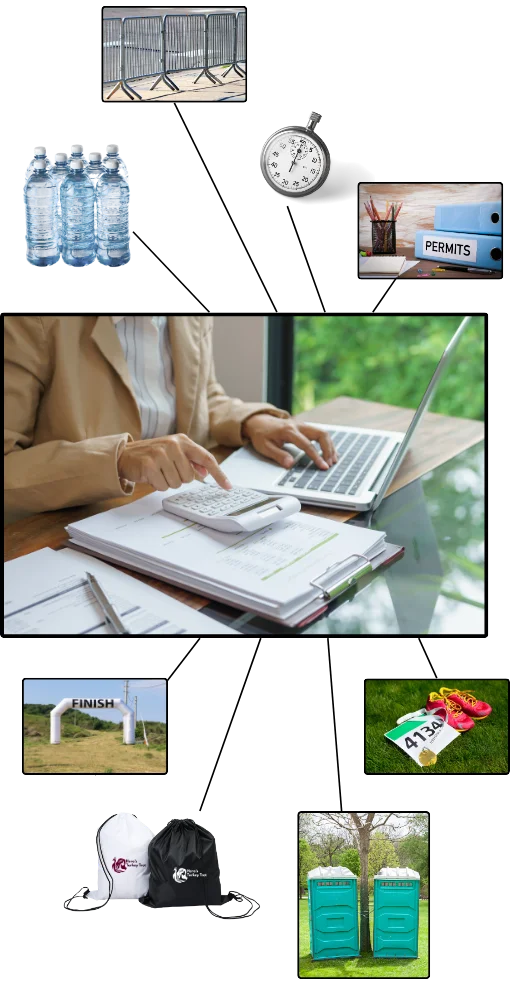
You need to create a budget for your race. Start with a list of everything you’ll need to put on your race. Then, you’ll want to start getting quotes on each item so you have an accurate sense of your costs. If it’s your first year organizing a race, talk to existing races to get a sense of what to expect on costs.
Items to include in your budget:
- permits
- bibs
- aid station supplies
- barricades
- port-a-potties
- volunteer snacks
- water bottles
- start and finish line decor
- prizes and medals
- timing
- shirts and merchandise
Maybe you have some start-up funds that you’ll put into your race. Or, maybe you’re going to rely solely on registration fees and sponsor sales. So, you’ll need to set your fees and create your sponsor and vendor program.
In a first-year race, you need to ensure your prices are competitive or even a little lower than local races near you. It’s a first-year race, so it’s unknown to your sponsors and vendors what to expect in terms of ROI.
Every time you purchase something from your budget, you’ll want to track the actual cost, too. This tracking will help you assess how close you were to your targeted budget and plan better for future races.
Race Entry’s software makes it easy to track your budget and assess your revenue from the same place.
Develop a 5k Race Sponsorship Program
Contact local businesses to see if they would be willing to provide products or services that would improve your race’s quality and experience. Many businesses are willing to contribute money for your event sponsorship. It’s just a matter of finding the right partners for your local 5k sponsors.
Create sponsorship levels and packages that include marketing benefits. Marketing benefits can include bag inserts, advertisements in your race magazine, logo placement, and even booths at the finish line or packet pick-up.
With Race Entry’s sponsor management tools, you can sell sponsorships online and be listed on our race sponsorship page.
Start 5k Race Permits Early
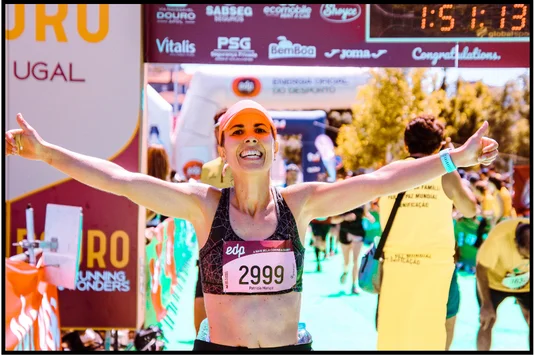
Work with your local government to determine what permits are required for the type of race you want to create. Local government prefers a lot of advance before race day, so reach out at least a few months before your race.
You will most likely be required to provide proof of insurance to receive a permit, and you will want the coverage to protect your company or whomever is responsible for the event.

Prepare a Safety Plan
You need to prepare a full safety plan for your race:
- security
- traffic control
- crowd control
- health code
- medical and emergency response
Coordinate with the police for security at your event. Make sure that you have the proper traffic safety devices like cones, and crowd control barricades if your location or venue requires them.
You’ll also need to consider health and medical safety. The health department usually requires a certain distance between bathroom and food locations.
When it comes to medical considerations, the distance of your event and the number of participants will determine the amount of medical personnel needed.
Most smaller 5ks do not need much medical attention. If you have a large number of participants, it’s worth considering an ambulance at the finish line in case a runner needs serious medical attention.
Consult with a sports medicine professional in your area to see what the specific needs of your event may be.
Recruit a Timer or Time Your 5k Yourself
A race is a competition, and timing your race makes it count. Runners even track their personal records, so it’s not just about who crossed the finish line first – it’s about how fast they ran.
Hiring a Timer
When deciding on a timer to use, you need to consider pricing, technology, experience, and proximity. You’ll want to find a timer in your region to help save on costs – if you choose a timer who has to travel, you’ll need to cover their travel expenses.
You’ll also want to look at experience. A new timer with the best technology is risky as they may not know how to use the technology properly. An experienced timer with poor technology will not get proper read rates, and your results will not be as reliable as your participants expect. A timer that is very experienced with the best technology can be expensive.
Depending on the size of your race you may want to pick a timer with good experience with decent technology. Consider sending out a bid request to several timers in your area. Ask them all for pricing, read rates on the chips, and for references.
If you can call some of the races that have used timers you can get a sense for how competent they are with their system, and how reliable they are. Timing is a large portion of your budget, so you want to make sure you get the right timer for your needs.
Timing Your 5k Yourself
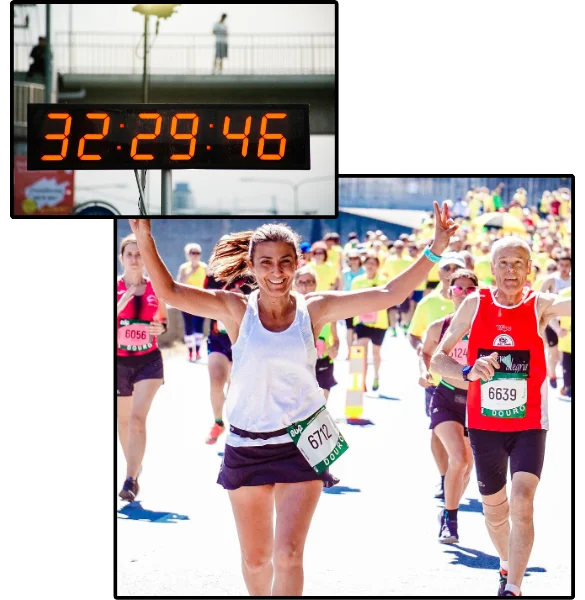
You can find lots of options for timing your race yourself – some are even free. Timing yourself can be a good fit for races with under 200 participants. If your race is larger, you’ll want to hire a timer. When timing your race yourself, you can opt for manual timing or chip timing.
For manual timing, you’ll need to have several volunteers coordinating timing. You’ll need some at the start line to mark when people cross the start line and several people monitoring the finish line to mark when each participant finishes the race.
For chip timing, you’ll need to rent or buy some equipment. You’ll need to get chips for each of your runners and sensors. You won’t need as many people to track everyone who’s crossing the finish line.
Depending on how your course is set up, you may need to ensure that your software can handle splits and laps. If your race is a team race, you may need to check that the timing software can handle teams.
Whatever timing method you choose, you’ll need to find scoring software that integrates with it. With any scoring software, you can upload reports to Race Entry for free live results and results hosting.
Find a Timer.
Design Race Shirts, Bibs, & Race Bags
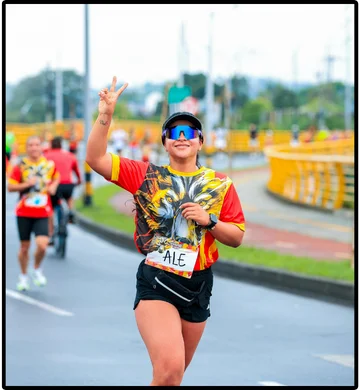
Part of your race experience includes physical items – race shirts, bibs, and bags. Race shirts and bags are even a great marketing boost for your race as you get ready for future years.
Race Shirts
Most races provide their runners with a race shirt. Often this is an athletic polyester shirt, but first year 5k races sometimes do cotton shirts to reduce cost. Of course, you’ll compare shirt suppliers on price. You’ll also want to consider flexibility and turnaround time.
It’s hard to predict the number for your race in advance to order shirts, especially if it’s the first year of a race. Try to find a shirt vendor that will allow you to make a shirt order a couple weeks before your event, and then make a smaller follow-up order a few days before your race.
Newer races can double in size in the last couple weeks, so flexibility from your shirt supplier is very important within the first year of your race.
Race Bibs
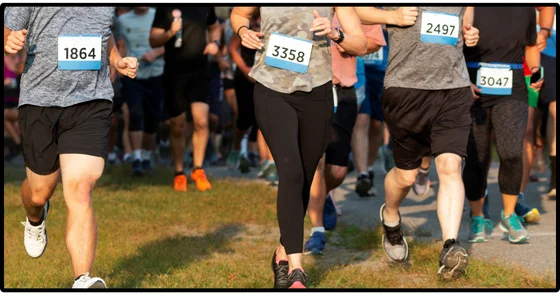
Getting bibs is key for any race – it’s a clear indicator of who’s an official participant and bibs also play a role in timing.
If you’re timing manually, you’ll want to ensure that the bib numbers are easy to read so you can quickly enter them as runners cross the finish line and to use AI to match photos to participant results.
If you’re using chip timing, bibs often have a chip stuck to the back that communicates with the timing equipment at the start and finish line.
You’ll need to work with your bib printer on design. Compare pricing from various suppliers, too.
Race Bags
Many of your sponsors and vendors will be interested in including an item in your race bags for participants. You may even consider getting a race bag sponsor – include their logo on the bag and they cover the bag cost.
And, race bags make great marketing for your race once it’s over. It makes your participants walking billboards for your 5k race wherever they go.

Make Awards & Buy Medals
Many races have awards for age division winners. Sometimes these awards are just for first place, but they can go three to ten deep. Some large races choose to give out prize money. Awards can also include medals, plaques, and money.
USA Track and Field (USATF) regulations stipulate that overall awards need to be based upon gun time. Age division awards can be based upon chip time.
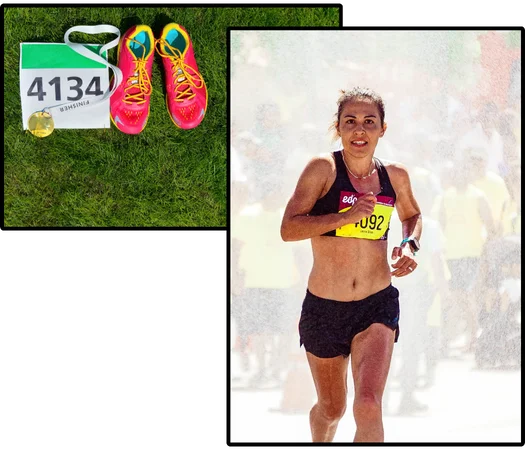
Some races also offer a finisher medal to each of their participants. Finisher medals are common for marathons and half marathons. Providing medals at your 5k can help make it stand out.
Small quantities of medals can get expensive. However, bulk orders placed overseas get cheaper. Estimating quantities is tricky, especially in the first year.
In your first year you may want to try to make your medals locally where you can order closer to your race date. Almost any shop that makes belt buckles or does other metal work can create your race medals.
If awarding medals to all of your finishers is out of your budget, you can look at just doing medals for the fastest times.
Set Up Port-a-potties, Barricades, & Start/Finish Line Decorations
Once you’ve created your course, the next piece is to plan for port-a-potty needs, barricades for crowd control, and decorating your start and finish line.
Port-a-potties
Restrooms are a very important part of any race. The longer the duration of your event the more important they become.
Even with a 5k you should consider having portable restrooms in your finish area at a minimum, and probably have some at your starting line and a couple on the route. These units can be very pricey when rented in small quantities, so shop around to find a good price.
You may want to have your 5k start or end in a park that has restroom facilities to avoid some of this expense. With a marathon or half marathon you will want to have the restrooms abundantly placed in the start & finish. With these longer races it is also most common to have restrooms every two miles.

Barricades
Crowd control barricades are also helpful for sectioning off the finish line or different parts of your course. It helps keep your course clear and safe for your participants and passively manage crowds, especially if you’re drawing a lot of participants.
Start/Finish Line Decorations
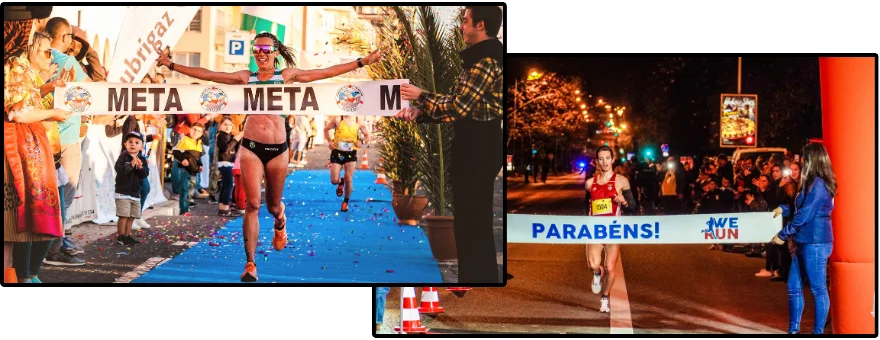
Make your race fun by creating an attractive start and finish line. Blow-up start and finish lines are exciting and eye-catching. Compare rental and purchase costs – renting may be advantageous, especially as you’re just getting started. You may even ask another nearby race director if you can borrow their equipment.
Prepare Aid Stations, Hydration, & Food
Provide plenty of water, and if possible, another beverage with electrolytes to runners. Often aid stations are placed every two miles. You’ll also need to space your food and hydration far enough away from your port-a-potties. Check with your local health department for specific requirements. You may also consider offering pain relievers or food at your aid stations.

Consider having food on the route and in the finish area. Runners prefer food on the route that can be eaten easily and digested quickly. For example, gel packs and granola bars are easy energy boosters. Below are the best items to have at your 5k aid stations:
- water cups
- water bottles
- Powerade cups
- gel packs
- granola bars
At the finish line, be sure to have food high in protein because it helps with recovery from the race. Often you can find a local market or restaurant to provide food for your race in trade for sponsorship. Common food items to have at the finish line include:
- doughnuts
- water
- coffee
- tea
- hot chocolate
- protein bars
- trail mix
Recruit & Train Volunteers for Your 5k Race
Finding volunteers for your 5k can be a challenge. Create incentives for your volunteers to encourage them to come and return in following years. These can include a gift or a party for them after the race or even a free registration next year.

Start with your network and then look to other organizations in your community. Partnering with charities or nonprofits on fundraising can be a great way to find volunteers.
Other volunteer sources include:
- student volunteer organizations
- local businesses
- scout troops
- cheerleading squads
- youth organizations
Race Entry makes it easy to coordinate and organize your volunteers. Use our free, integrated volunteer registration form to track sign-ups and assign tasks when you use Race Entry for paid registration.
Create Volunteer Form
Complete Course Clean Up & Post-Race Review
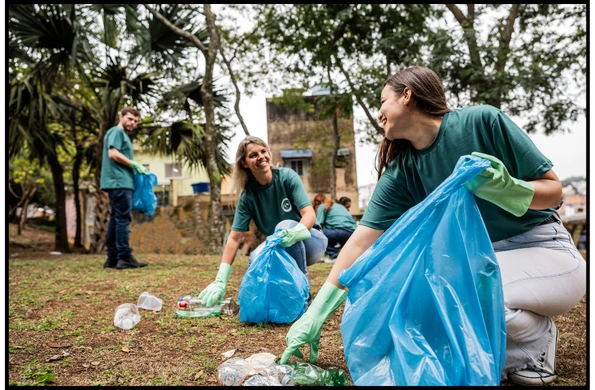
Clean up is overlooked, but it can determine the longevity of your race. Events can be banned from communities if the locations are not left as clean as they were found.
Have separate groups in-charge of clean-up and set-up. Having a new group of people in-charge ensures that your volunteer groups aren’t worn out from helping on other jobs earlier.
Post-race Review
Once you’re finished with your race, conduct a review. A full review should include the following people:
- your team
- volunteer team managers
- city officials (police, EMTs, etc.)
- vendors
- sponsors
- participants
5k Race Operations Review
When you’re talking to your team, volunteers, and city officials, focus on operations:
- What went well?
- What didn’t go well?
- What changes should we make to improve next year?
Vendor & Sponsor Review
When you’re talking to your vendors, sponsors, and participants, remember that they’re your customers. You’ll take a little bit of a different approach for each of them.
For vendors, thank them for coming to your expo. Ask them what they thought of your expo and if they’d come back. You can dig more into reasons why vendors would or would not return.
For sponsors, thank them and consider giving them a plaque that they can put up at their office. Making a personal visit after your race to deliver a plaque is a great way to start renewal conversations. You need to understand what motivates your sponsors to support your race – some just want to give back to the community, others care more about driving sales and marketing. Understanding motivations and how your sponsors evaluate the ROI and value of partnering with your race.
5k Participant Review
Participants are the largest group you’ll reach out to. Email out a survey to all of your 5k participants. To encourage more people to complete the survey, you can offer a small discount for next year’s race. With Race Entry’s software, this promo code is given after the survey is complete.
In your 5k runner survey, ask participants to:
- rate the course.
- rate the race’s organization.
- rate the race overall.
- give them a multiple choice question to pick their favorite part of the race (and least favorite part of the race.)
- include a spot for additional comments.
You’ll be working with a lot of data, so you’ll want to emphasize the multiple choice and rating questions over qualitative data – qualitative data takes longer to review, even though it’s often more detailed.
Take your 5k survey as an opportunity to gather demographic details about your race’s participants. This information will help you improve your sponsorship pitch in future years. Below are the demographic questions you should ask:
- How old are you? (Multiple choice with different age ranges.)
- What is your gender?
- What is your annual income? (Multiple choice with different ranges.)
- How long have you been running?
Getting insights from your participants will help you deliver an even better 5k race experience next time because you’ll know more about your audience.
Supplies Needed to Organize a 5k Race
We’ve created a supply list for race directors, and organized it into categories. Your race may need more supplies than listed below or you may determine that you’re going to do without some of the items below.
Participants
- Bibs with bib numbers
- Safety pins
- Race bags
Course
- Mile markers
- Directional signs
- Zip ties
- Cones
Start and Finish
- Starting line and finish structures
- Light tower generators
- Sound system
- Awards stand
- Results board
- Tents
- Tables
- Air horns
- Flags
Aid Stations
- Tents
- Tables
- Coolers
- Disposable cups
- First aid kit
- Trash bags & garbage cans
Add any other items to this list that you need for your specific race. Your timer or announcer may even provide some of these items. To save on expenses, you could rent some of these items. When renting supplies you often pay far less than purchasing them, and you don’t have to store them all year.
Learn more about supplies needed for organizing a virtual race.
Let us help you make your race a huge success from 5k planning to race day. Our race-expert staff can advise you along the way whether you’re just starting your journey as a 5k organizer or already have experience. Our simple registration platform will also increase your participation.
Get Started Today
Organizing a 5k FAQs
Do I need certification to organize a 5k race?
No, you do not need certification to organize a 5k race. You will just need to take care of necessary permits for your race.
Does my 5k race course need to be certified?
No, your 5k race course does not need to be certified. Certification ensures accuracy of your distance.
How much does it cost to organize a 5k race?
Organizing a 5k has variable and fixed costs. Variable costs for a 5k typically run between $7.50 to $25 per person. Fixed costs, including permitting, often start around $50 and can go up to $40,000. Several things impact costs – participant count, route, timing, shirts, medals, security, etc. You’ll need to balance your costs, 5k appeal, and registration pricing. Price your 5k competitively – 5k prices generally run between $15 and $50.
Do I need to have age groups in my 5k run?
No, you don’t need to have age groups in your 5k run. If you have a large turnout, consider doing age groups to ensure fair competition and let more participants get awards.
What swag will people expect at my 5k run?
T-shirts are the most common swag items for 5ks and other endurance events. Medals are also becoming more commonly expected even for 5ks. You can offer other swag items for sale like water bottles, hats, socks, etc.
How do I find quality race suppliers for my 5k?
Start by reaching out to race directors in your area to find good references. You can also use Race Entry’s timer directory to find timers near you.
How do you structure a 5k run?
For your 5k, you can organize a point-to-point, loop, or an out-and-back race course. It’s usually cheaper to have your 5k’s finish line close to the start line so you don’t have to transport participants to the start.
What is needed to organize a 5k?
You’ll need a budget, permits, bibs, safety pins, mile markers, directional signs, tables, water, trash cans, and a first aid kit to organize a 5k. Start by creating a budget for your race. Then, start reaching out to your local government to get the permits you need at least six months in advance.
Next, reach out to local businesses and companies for sponsorships. Start recruiting volunteers, talk to timers, and find vendors for your shirts to make sure that you’re ready for race day.
How to set up a 5k fundraiser?
Organizing a 5k can be a great way to fundraise for your nonprofit or partner nonprofits. Use our guide to ensure that your fundraiser is successful.
How to make a 5k fun?
Play music or have a live band, offer food, or have vendors at the finish line to make your 5k fun. You can also make your 5k a fun run with themes. For example, encourage runners to dress up for a Valentine’s run or a scary Halloween run.
How many water stations for a 5k?
Generally, you want to have an aid station every two miles. You’ll just need one aid station in the middle of your course for your 5k.